Envana Secures $5.2 Million Grant for Methane Monitoring Innovations
January 17, 2025 - 11:15
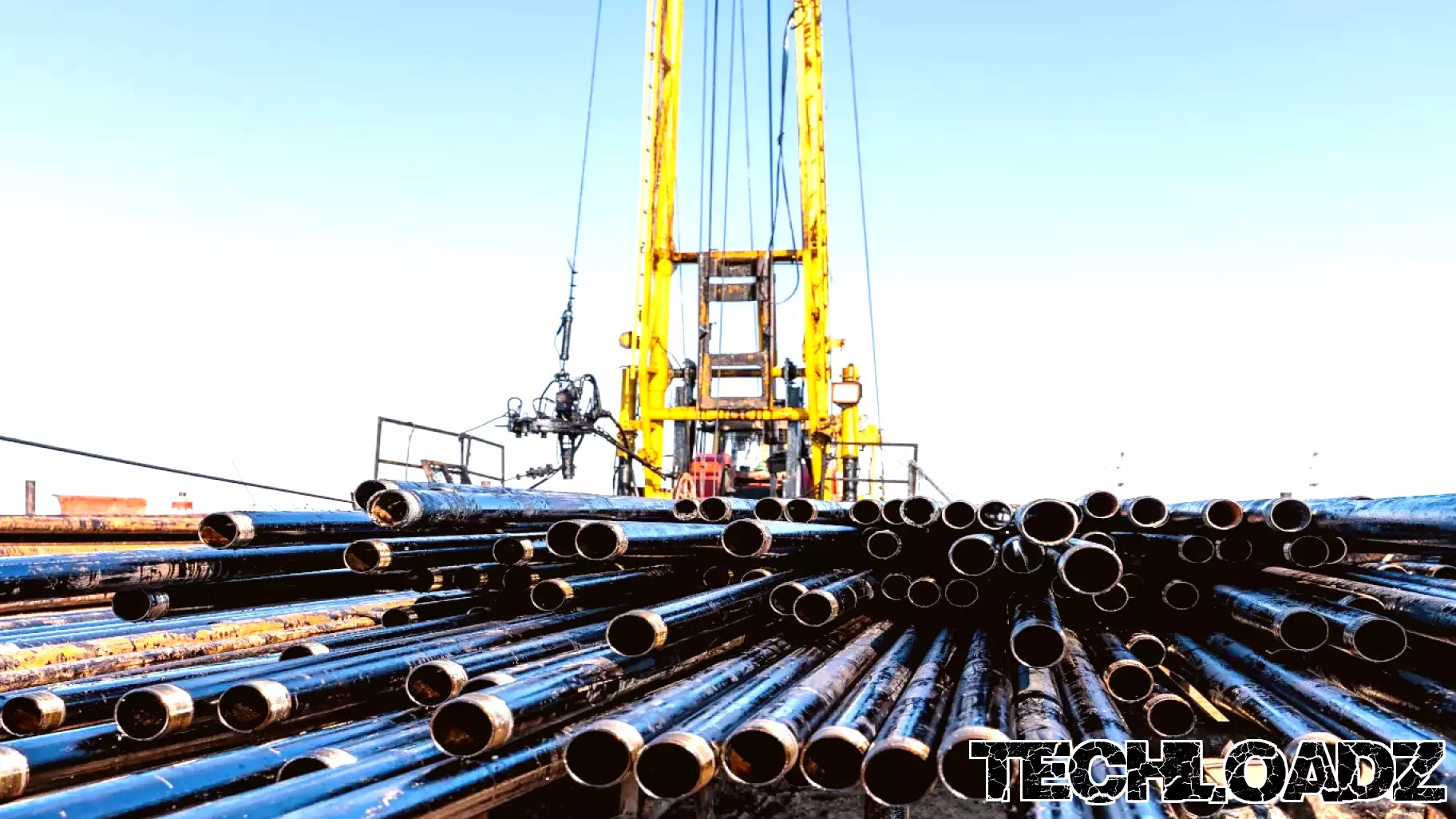
Envana has secured a significant grant from the US Department of Energy (DOE) aimed at advancing its methane monitoring and mitigation technologies. The $5.2 million funding will support the development of innovative solutions designed to detect and reduce methane emissions, a potent greenhouse gas that contributes to climate change.
This grant is part of a broader initiative by the DOE to promote clean energy technologies and reduce harmful emissions across various sectors. Envana's cutting-edge approaches are expected to enhance the accuracy of methane detection, enabling industries to implement more effective strategies for emission reduction.
With this funding, Envana plans to accelerate research and development efforts, focusing on creating scalable solutions that can be deployed across different industries. The company's commitment to sustainability aligns with national goals to combat climate change and transition to a cleaner energy future. This grant marks a significant step forward in Envana's mission to lead in methane mitigation technologies.
MORE NEWS

October 28, 2026 - 02:24
Stock Indexes Climb as Tech Leads Before Major Earnings ReportsStock indexes moved higher on Tuesday, with technology shares setting the pace as investors positioned themselves ahead of quarterly results from the largest cloud computing companies. The gains...

October 27, 2026 - 01:27
Japan and Finland sign defence equipment and technology transfer agreementJapan and Finland signed a defense equipment and technology transfer agreement on October 26, according to Japan`s Ministry of Foreign Affairs. The deal creates a formal framework for the two...

October 26, 2026 - 06:02
Starlink Limits in Ukraine Expose Risks for US PartnersAlmost as soon as news of the newly imposed limits was disclosed by Ukrainian officials, the game of finger-pointing between US President Donald Trump and Elon Musk, Starlink`s CEO, began. The...

October 25, 2026 - 08:11
Fusion Shows Compact AI System to Nvidia's Jensen Huang at GTC BerlinFusion presented its AI In-a-Box system to Nvidia CEO Jensen Huang during GTC Berlin 2026, putting a compact, self-contained AI appliance in front of one of the industry`s most watched executives....