Innovative Solutions to Curb Cattle Emissions
January 3, 2025 - 12:24
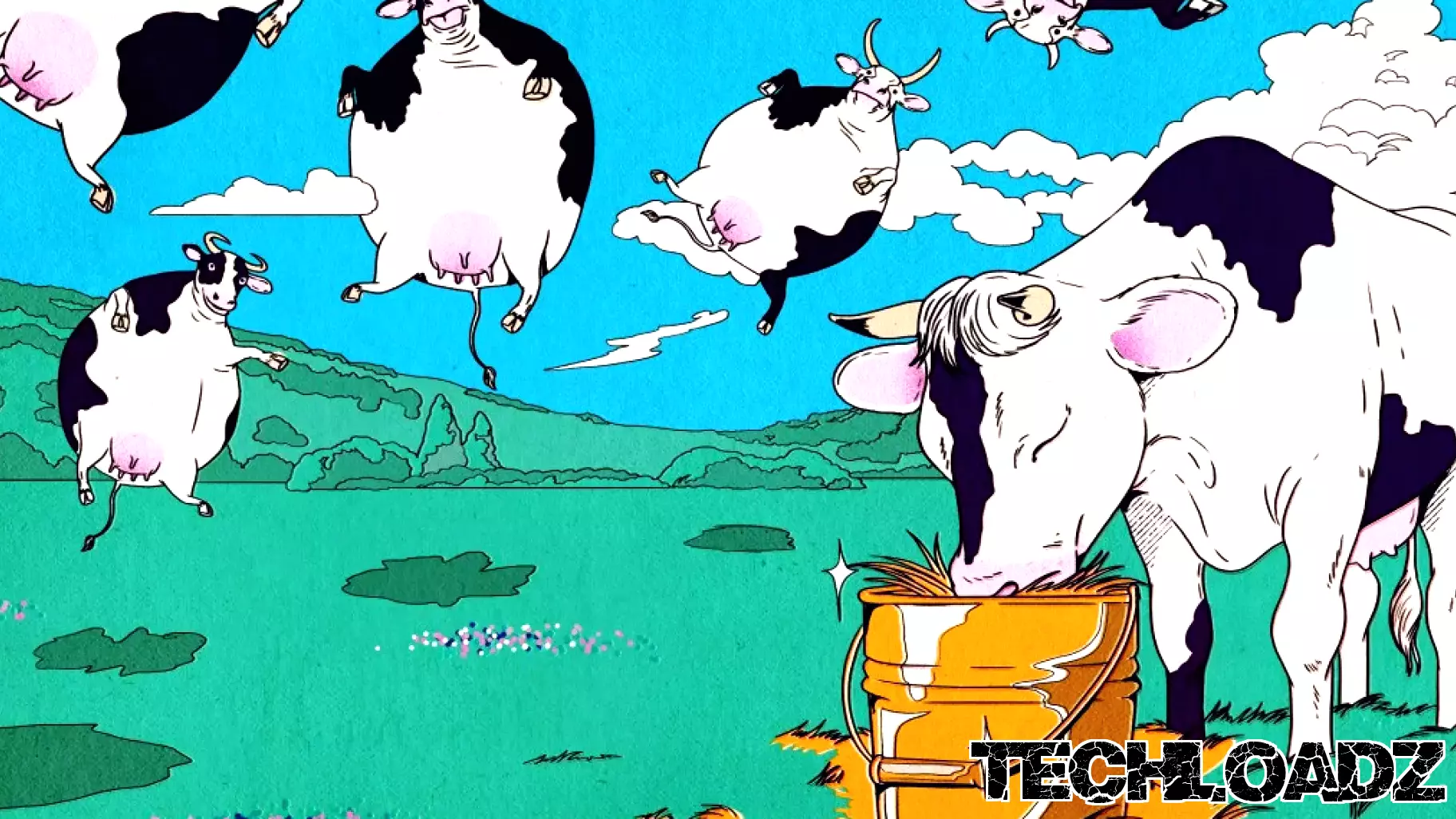
Additives that significantly diminish one of the largest contributors to agricultural emissions are making their way into the market. As the agricultural sector grapples with increasing pressure to reduce its carbon footprint, researchers and companies have developed groundbreaking technologies aimed at mitigating methane emissions from cattle.
Methane, a potent greenhouse gas, is primarily released through the burping of ruminant animals. Recent advancements in feed additives and dietary supplements have shown promise in reducing these emissions by altering the digestive processes of cattle. These innovative solutions include the use of seaweed, essential oils, and other natural compounds that not only help in cutting down methane production but also enhance the overall health and productivity of livestock.
The introduction of these additives is expected to play a crucial role in achieving sustainability goals within the agricultural industry. As farmers and ranchers adopt these technologies, the potential for a significant reduction in greenhouse gas emissions becomes increasingly attainable, paving the way for a more environmentally friendly approach to livestock management.
MORE NEWS

October 28, 2026 - 02:24
Stock Indexes Climb as Tech Leads Before Major Earnings ReportsStock indexes moved higher on Tuesday, with technology shares setting the pace as investors positioned themselves ahead of quarterly results from the largest cloud computing companies. The gains...

October 27, 2026 - 01:27
Japan and Finland sign defence equipment and technology transfer agreementJapan and Finland signed a defense equipment and technology transfer agreement on October 26, according to Japan`s Ministry of Foreign Affairs. The deal creates a formal framework for the two...

October 26, 2026 - 06:02
Starlink Limits in Ukraine Expose Risks for US PartnersAlmost as soon as news of the newly imposed limits was disclosed by Ukrainian officials, the game of finger-pointing between US President Donald Trump and Elon Musk, Starlink`s CEO, began. The...

October 25, 2026 - 08:11
Fusion Shows Compact AI System to Nvidia's Jensen Huang at GTC BerlinFusion presented its AI In-a-Box system to Nvidia CEO Jensen Huang during GTC Berlin 2026, putting a compact, self-contained AI appliance in front of one of the industry`s most watched executives....